
(CONSOLIDATED, REDIRECTED – 11.03.2024) AAA Insurance Review & Ratings (2026)
AAA car insurance rates cost about $158 per month, putting them slightly above the national average. AAA insurance might not be the cheapest option in your area, but AAA membership comes with perks like roadside assistance. Despite higher prices, AAA boasts some of the best customer loyalty ratings.
Read more Secured with SHA-256 Encryption






Find the Lowest Car Insurance Rates Today
Quote’s drivers have found rates as low as $42/month in the last few days!




Table of Contents
Table of Contents

Licensed Insurance Agent
Kristen is a licensed insurance agent working in the greater Boston area. She has over 20 years of experience counseling individuals and businesses on which insurance policies best fit their needs and budgets. She knows everyone has their own unique needs and circumstances, and she is passionate about counseling others on which policy is right for them. Licensed in Massachusetts, New Hampshire,...
Kristen Gryglik

Licensed Insurance Agent
Justin Wright has been a licensed insurance broker for over 9 years. After graduating from Southeastern Seminary with a Masters in Philosophy, Justin started his career as a professor, teaching Philosophy and Ethics. Later, Justin obtained both his Property & Casualty license and his Life and Health license and began working for State Farm and Allstate. In 2020, Justin began working as an i...
Justin Wright
Updated August 2025
Knowing the most important steps in how to file a wildfire home insurance claim can help you maximize your insurance payout and minimize the risk of your claim being denied.
Understanding how to file a home insurance claim is even more important if you live in a wildfire-prone area. For a successful wildfire homeowners insurance claim, you’ll need to document damage to your home, keep receipts, and speak with a claims adjustor. It may sound confusing, but we’ve outlined everything you need to know below.
Steps to Filing a Home Insurance Claim After a Wildfire| Step | Action | Details |
|---|---|---|
| #1 | Immediate Notification | Contact your insurance company ASAP to report wildfire-related damage and file your claim. |
| #2 | Document Damage | Get photos & videos of all wildfire damage, including structures, personal items, and any smoke or soot damage. |
| #3 | Keep Records | Keep records of all communications with your insurer, such as names, dates, and emails. |
| #4 | Temporary Repairs | Make temporary fixes to prevent more damage, such as covering exposed areas. |
| #5 | Claim Form Submission | Complete the claim form and send all required documents, like proof of wildfire damage. |
| #6 | Meet with Adjuster | Schedule an adjuster inspection to inspect wildfire damage in person. |
| #7 | Review Settlement Offer | Review the offer and negotiate for a fair payout if it doesn't cover all wildfire losses. |
| #8 | Close the Claim | Once satisfied, finalize the claim to receive your compensation. |
Explore the wildfire insurance claims process below, including detailed steps to file a claim. Then, enter your ZIP code into our free comparison tool to find affordable home insurance that covers wildfire damage.
- Step #1: Notify Insurer – Contact your provider ASAP
- Step #2: Document Wildfire Damage – Take photos of the damage
- Step #3: Keep Records – Keep a record of communication
- Step #4: Temporary Repairs – Keep receipts of any repairs
- Step #5: Submit a Wildfire Insurance Claim – Submit claims online or over the phone
- Step #6: Meet Adjuster – They will investigate the damage
- Step #7: Settlement – Negotiate a fair settlement amount
- Step #8: Close Your Claim – Finalize claim to receive compensation
8 Steps to File a Home Insurance Claim After Wildfire Damage
Having your home damaged or destroyed in a wildfire can be overwhelmingly stressful, but it only takes eight simple steps to file a home insurance claim.
Many homeowners are left wondering, “Does home insurance cover wildfire damage?” after a fire. As long as you follow our simple guide to filing a home insurance claim after a fire, you should get wildfire recovery assistance quickly.
Step #1: Contact Your Provider
As soon as it’s safe, contact your insurance provider about what’s happened to your home. Some insurance providers have an online option to start a home insurance claim, and most offer 24/7 phone support.
Ty Stewart Licensed Insurance Agent
You’ll need to provide basic information about the damage to your house, but don’t worry if you leave something out. In this step, your insurance company only needs basic information.
The exact amount of time you have to file a wildfire claim varies by state. For example, residents of Arizona can file a homeowners insurance claim up to six years after the event. However, most homeowners have a year to file a claim. No matter where you live, you should check with your insurance company — your provider may require a quicker claim.
It’s best if you file as quickly as you’re able to, so you can use your fire insurance payout to repair your home. Additionally, your insurance company may reduce the amount they pay if you wait too long after an event because it’s harder to prove damage to your home was caused by a wildfire.
Learn More: Does USAA homeowners insurance cover fire damage?
Step #2: Document Wildfire Damage
Once the fire danger is over and you can enter your home safely, you’ll need to gather some information for your wildfire damage insurance claim. To get the most out of your Insurance for wildfires, you’ll need the following:
Wildfire Home Insurance Claims Important Documentation| Type | Purpose | Notes |
|---|---|---|
| Claim Forms | Required for formal claim submission | Fill out accurately and completely |
| Insurance Policy | Reference for coverage limits and terms | Keep a digital copy accessible |
| Inventory of Damages | Detailed list of damaged items | Update regularly if new damages are discovered |
| Photographs & Videos | Evidence of damage | Date and timestamp all visuals |
| Receipts for Expenses | Proof of expenditures | Includes temporary repairs and living expenses |
Take photos and videos of all affected areas, both inside and outside your home. Document everything — burned structures, soot damage, and any destroyed belongings. This evidence is crucial for substantiating your claim. Use our home fire safety guides and educational resources for more valuable resources.
Step #3: Keep Records and Receipts
Start a file to keep track of all communications with your insurance company. Save receipts for any expenses related to temporary lodging, food, or urgent purchases you’ve made as a result of the wildfire.
Knowing how to take a home inventory will also help. While it may seem tedious, keeping detailed records of everything during the claims process can protect you later on, especially if your claim is denied. It will also help when you file for reimbursement on anything you had to buy before your claim is settled.
Step #4: Perform Temporary Repairs
Prevent further damage by making temporary repairs, such as covering holes in the roof or boarding up windows.
Be sure to save receipts for any materials or services used, as your insurance company may reimburse those expenses later.
Make sure to avoid permanent repairs as best you can until your claim is processed. You’ll have a better idea of your repair budget once you know what your claim settlement is.
Read More: Home Fire Safety for Kids and Teens
Step #5: Submit a Wildfire Insurance Claim
Getting wildfire home insurance claims settled as quickly as possible requires working with your provider to submit your claim as soon as possible. Complete the necessary forms and include all documentation, such as photos, videos, and receipts.
You should also make sure you’re available if a representative from your provider has questions about your wildfire home insurance claim. Answering their questions and providing as much documentation as possible is the best way to get your claim settled.
When you file a claim, you’ll likely see your insurance rates increase. There are many factors that affect home insurance rates, but how many claims you’ve filed is one of the most important. You should always make sure your claim settlement will be more than your deductible to prevent your rates from increasing needlessly.
Step #6: Meet With an Adjustor
Your insurance company will send a claims adjuster to inspect the damage done to your home after a fire.
This is a crucial step in home insurance claims after a fire, so make sure to keep communications open. The most common ways a claims adjuster will contact you is over the phone and through email. The more you keep up with your adjuster, the faster your claim will resolve.
Kristine Lee Licensed Insurance Agent
Be prepared to walk them through your home and provide any additional details. The more information you share with your adjuster, the more accurate your claim will be.
Learn More: Does homeowners insurance cover attorney fees?
Step #7: Review Your Claim Settlement
Once the adjuster completes their assessment, you’ll receive a settlement offer. Review it carefully to ensure it covers all damages and expenses.
Meeting with an adjuster might feel intimidating, but you’ll be given plenty of opportunity to present your case. To effectively negotiate with a claims adjuster, you can counter a settlement offer sent by your insurance company. Your adjuster will keep in communication with you, where you can present evidence that supports your claim, like photos and repair estimates. Remember to stay polite but firm.
If all else fails, you can always get legal help from an attorney who specializes in insurance cases.
If you have questions or concerns, don’t hesitate to discuss them with an insurance representative. It’s especially important to contact your provider if you think there’s been a mistake in what your insurance covers. Learn more about your insurance agent’s role in the claims process.
Step #8: Close Your Claim
After agreeing to the settlement and receiving payment, confirm that your claim is officially closed. While you hopefully won’t need it, it’s always a good idea to keep all documentation in case you need to reference it in the future. To ensure any wildfire claims you file go smoothly, you can do things like protect your home and update your coverage.
Once your claim is officially closed, you’ll receive a check from your provider for the agreed-upon amount. Every company is different, but most get payments into policyholders’ hands in about a week.
Read More: Does Nationwide homeowners insurance cover fire damage?
How to Handle Wildfire Claims Denials
You know how to file an insurance claim after a wildfire now, but what happens if your claim is denied?
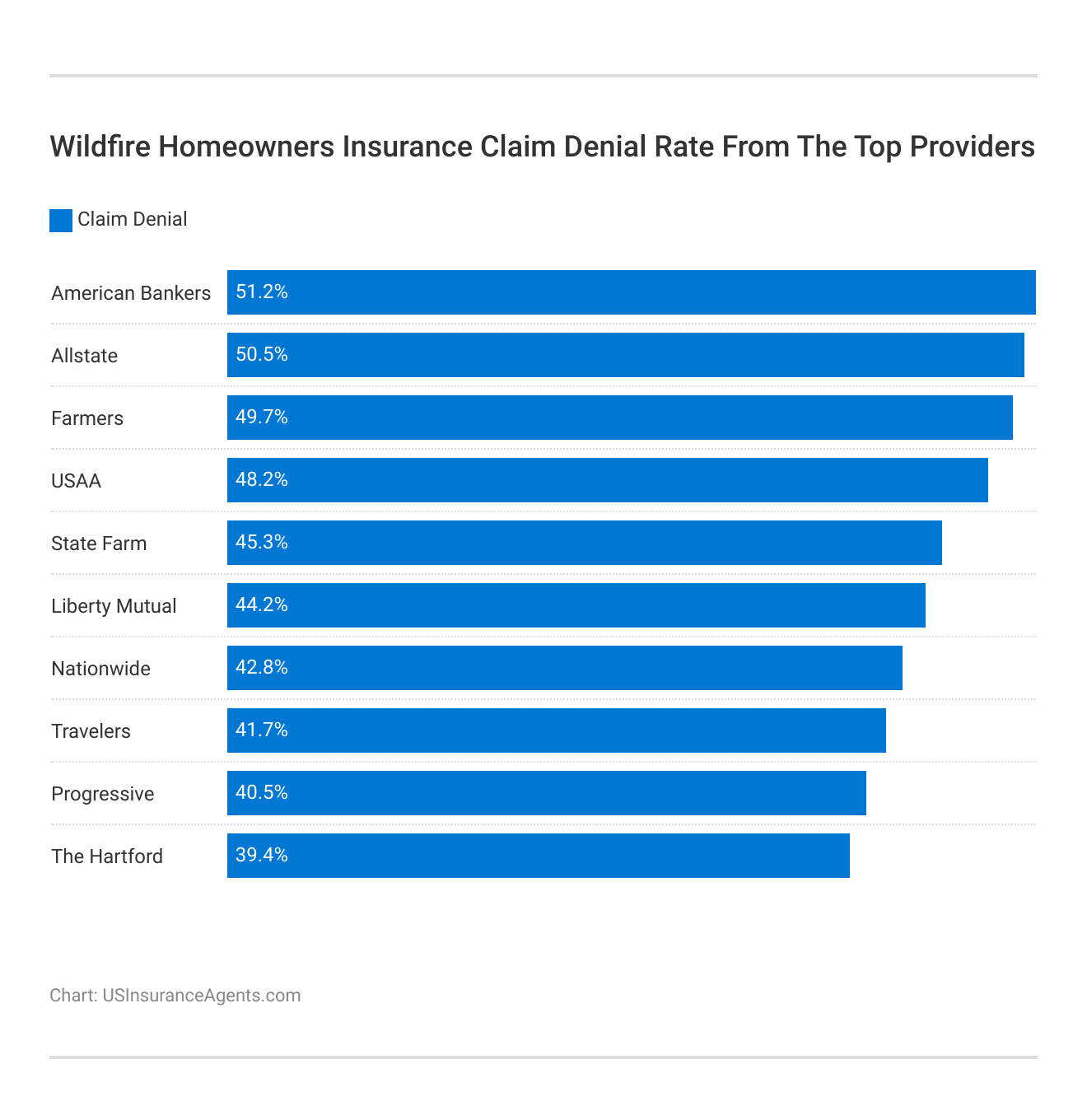
For starters, there are things you can do to minimize your future risk of having a claim denied. Picking the right company is crucial, especially if you need California wildfire insurance. Take a look below to see which providers have the worst track record for denying homeowners insurance claims after a wildfire.
If you’ve purchased coverage from one of the best homeowners insurance companies and you’re still facing a denied wildfire insurance coverage claim, use the following tips to resolve the problem:
- Understand the Denial: Review your denial letter carefully to determine why your claim was denied. If need be, ask a representative for help.
- Submit a Formal Appeal: Fill out the necessary paperwork with your provider to get your case reviewed. Make sure to provide any evidence your company requires.
- File a Complaint: If your appeal to your insurance company is denied, you can file a complaint with your state’s insurance department.
- Get Help: Most insurance companies offer mediation with a neutral third party to review claims. You can also get legal help from an attorney who specializes in insurance claims.
- Prevent Future Issues: Make sure you understand your home insurance policy before you have to make a future claim. You should also maintain clear records of all communication with your insurer.
With fire risks increasing, getting home insurance for wildfires can be a stressful prospect. It might be harder to find coverage in wildfire-prone states like California, but finding a policy isn’t impossible.

With a little bit of information about your home and the risks in your neighborhood, you can buy cheap homeowners insurance for wildfires online easily.
FAIR Plans for High-Risk Homes
FAIR — which stands for Fair Access to Insurance Requirements — helps homeowners in high-risk areas get insurance coverage. For example, the California FAIR plan provides coverage to California residents in even the most fire-prone areas.
Unfortunately, FAIR plans have limited coverage compared to traditional policies. To mitigate the risk that you’ll have to file a claim, multiple insurance providers cover you in a FAIR plan. When you file a claim, you’ll do so through the FAIR website, but multiple companies will each pay a portion of your claim.
Since coverage is limited, you might have to be resourceful to get wildfire insurance in California. Check out the tips below to maximize your California wildfire coverage.
FAIR shouldn’t be your first stop for home insurance, particularly because it won’t cover everything you lose in your home. In fact, one of the requirements for FAIR approval is providing proof that you’ve been denied coverage from other providers. However, if you can’t find coverage anywhere else, a FAIR plan will make sure you won’t completely lose your home after a fire.
Your Opinion Matters!
Rate your insurance provider and provide share feedback with shoppers just like you.
File A Homeowners Insurance Claim After Wildfire Damage With Ease
When it comes to homeowners insurance and wildfires, making sure you have adequate coverage is one of the best steps you can take to avoid problems. Knowing how to file a wildfire home insurance claim and increasing your home fire safety can help minimize the risk of filing a claim altogether.
Planning ahead saves time, and more importantly, lives. Check out wildfire safety tips: https://t.co/sED9YkeLwI pic.twitter.com/bM9tNgHUjs
— Allstate (@Allstate) August 8, 2023
Checking that your coverage is the most affordable option periodically is an important step in maintaining a policy that works for you. Whether you want to shop for a new insurance company or need your first policy, you can find affordable home insurance rates by entering your ZIP code into our free comparison tool.
Frequently Asked Questions
Are wildfires covered by home insurance?
Yes, the typical homeowners insurance coverage pays for wildfire damage, including to the structure and your personal belongings. However, fire insurance policies vary by location.
How do you file a home insurance claim for wildfire damage?
Notify your insurer immediately, document the damage with photos or videos, provide an inventory of lost items, and fill out the necessary wildfire home insurance claim form.
How long do you have to file a homeowners insurance claim after a wildfire?
Deadlines vary by insurer and state but typically range from a few months to a year after the wildfire.
How much does wildfire insurance cost?
Costs depend on location, risk level, and home value; the average home insurance policy in America costs $101 per month. If you’re wondering how much home insurance costs in your state, you’ll need to look at personalized quotes.
What does home insurance cover after a fire?
Home insurance typically covers the cost to repair or rebuild the structure, replace personal belongings, and pay for additional living expenses (ALE) if you need temporary housing.
What is not covered by home insurance after a fire?
Damage caused by neglect, arson committed by the homeowner, and certain exclusions like earth movement or pre-existing issues are not covered. If you want additional coverage for things like earthquakes, you can check prices with our free comparison tool by entering your ZIP code.
Does homeowners insurance cover wildfire damage in California?
Yes, home insurance for wildfires in California is usually available. However, the best homeowners insurance in California can be more expensive or harder to obtain in high-risk areas.
Why do insurance companies deny a claim for wildfire damage?
There are many reasons insurance companies deny fire claims. Claims can be denied for reasons like policy exclusions, insufficient documentation, or evidence of homeowner negligence.
Do you still own the land if your house burns down?
Yes, the land remains yours even if the house is destroyed. The average insurance payout for house fires is not typically enough to completely rebuild a home, but you can get a big enough payout if you have the right coverage in your policy.
What other natural disasters does home insurance cover?
Standard policies often cover windstorms, hail, lightning, and some types of water damage but usually exclude floods and earthquakes unless added as separate policies. Learn what to do in an earthquake.
Related Articles
-
Jan 2025

10 Best Dog-Friendly Homeowners Insurance Companies in 2026
-
Nov 2024
22 Tips for How to Get Cheap Home Insurance (Compare Rates Here!)
-
Jan 2025
4-Point Home Insurance Inspection: Everything You Should Know (2026)
-
Jan 2025

Actual Cash Value Homeowners Insurance: A Complete Guide (2026)
-
Jan 2025
10 Best Business Insurance Companies for Roofers (2026)


Get a FREE Quote in Minutes
Insurance rates change constantly — we help you stay ahead by making it easy to compare top options and save.
Secured with SHA-256 Encryption